Travel after kids is not harder. It is more strategic.
Before children, you could pack light, move quickly and adjust plans on the fly. After children, travel requires systems. When you have a plan for how you pack, move and access essentials, the entire experience feels calmer.
Whether you are planning your first trip to travel with a baby or preparing for family travel with a toddler, small adjustments in how you pack and plan can make a big difference.
Here is what actually changes, and how to adapt.
1. You Pack for Access, Not Just Space 🎒
The biggest mistake parents make when travelling with kids is choosing a bigger bag instead of a better organised one.
When travelling with babies or toddlers, you need:
-
Quick access to wipes and snacks 🧃
-
A separate space for spare clothes 👕
-
A secure section for passports and valuables 🛂
-
Easy visibility so you are not digging under layers
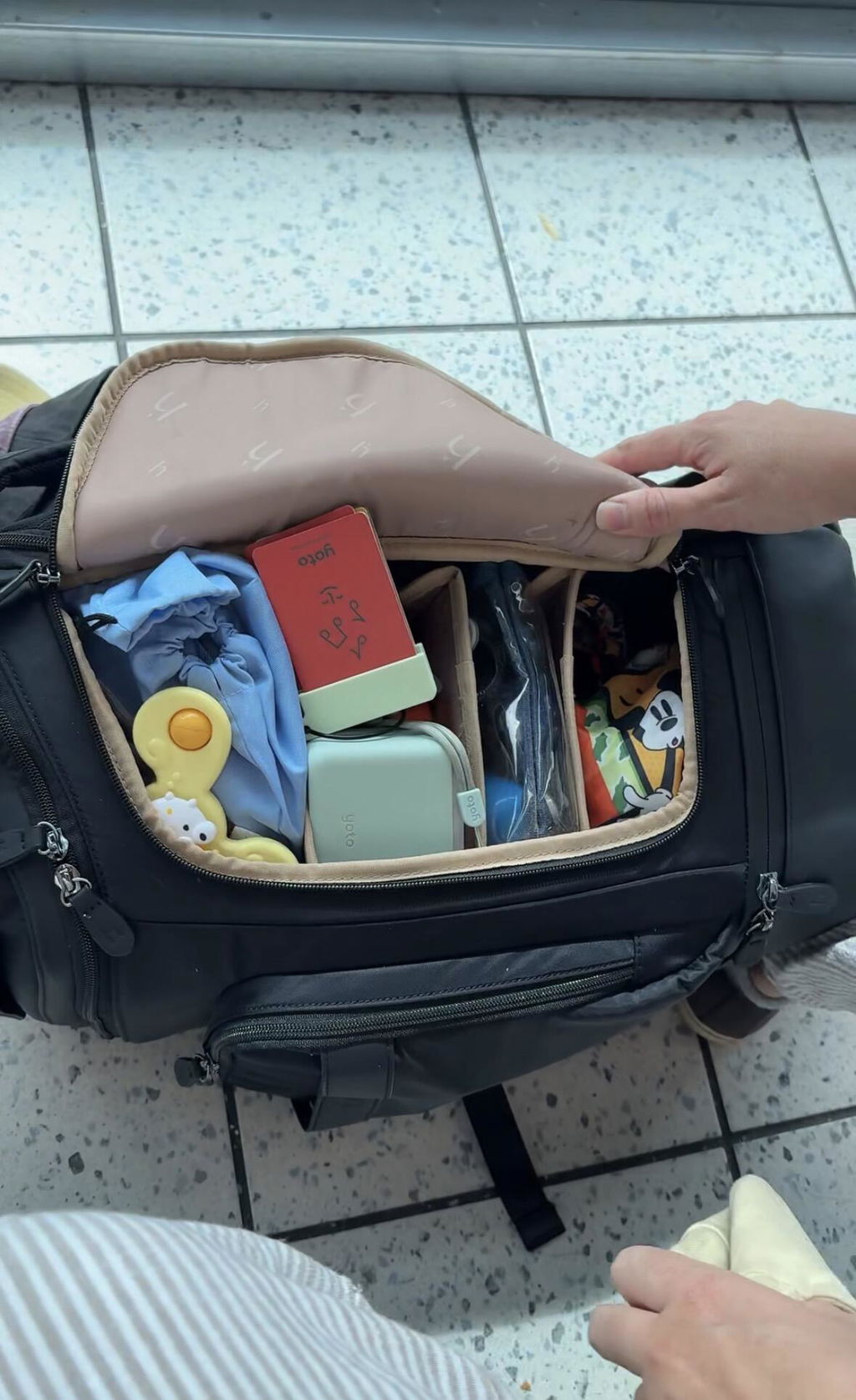
When you travel with a baby or toddler, your nappy bag becomes your mobile command centre. Everything from nappies and wipes to snacks, spare outfits and comfort items needs to be accessible in seconds.
Structure matters more than size.
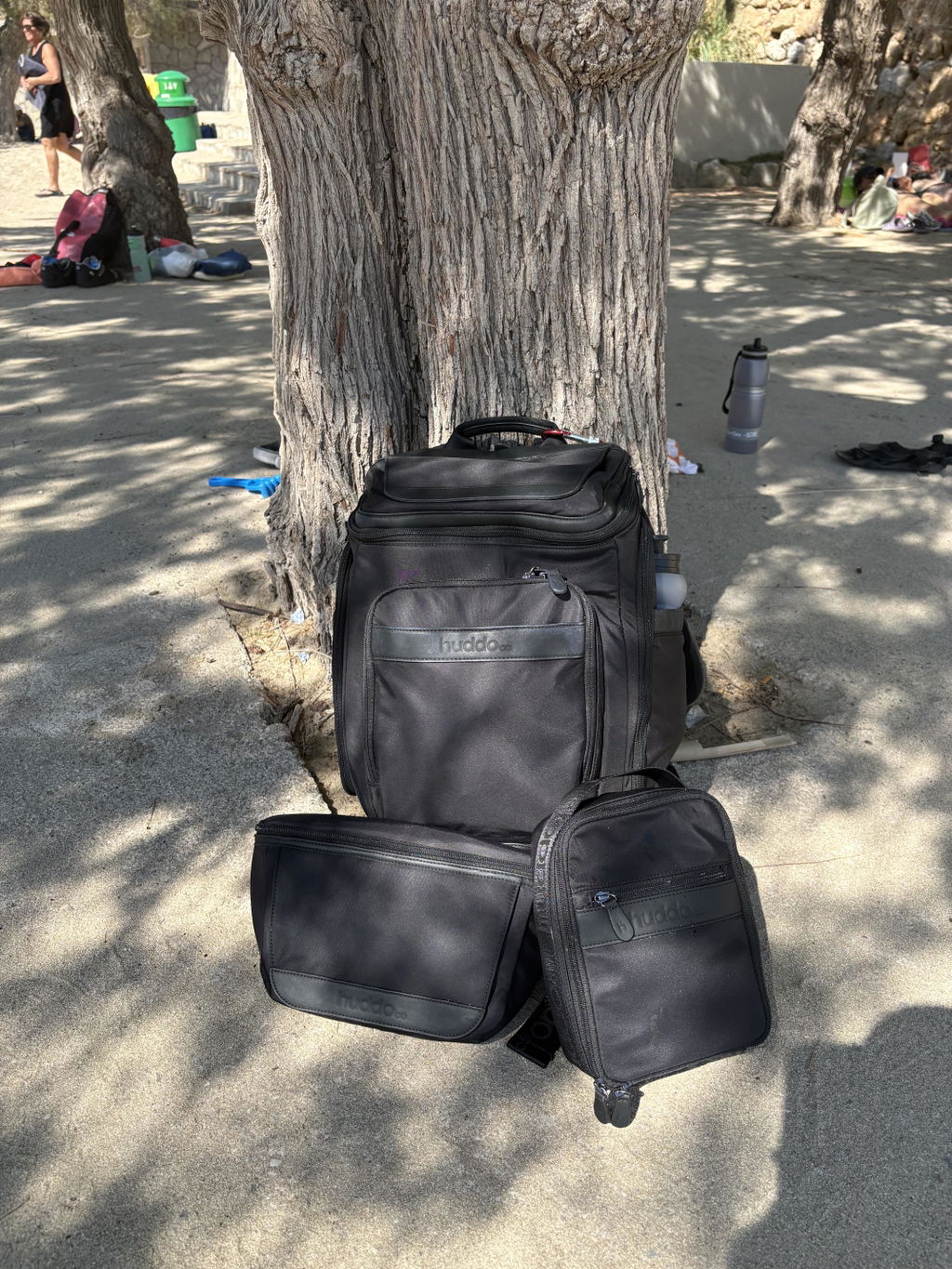
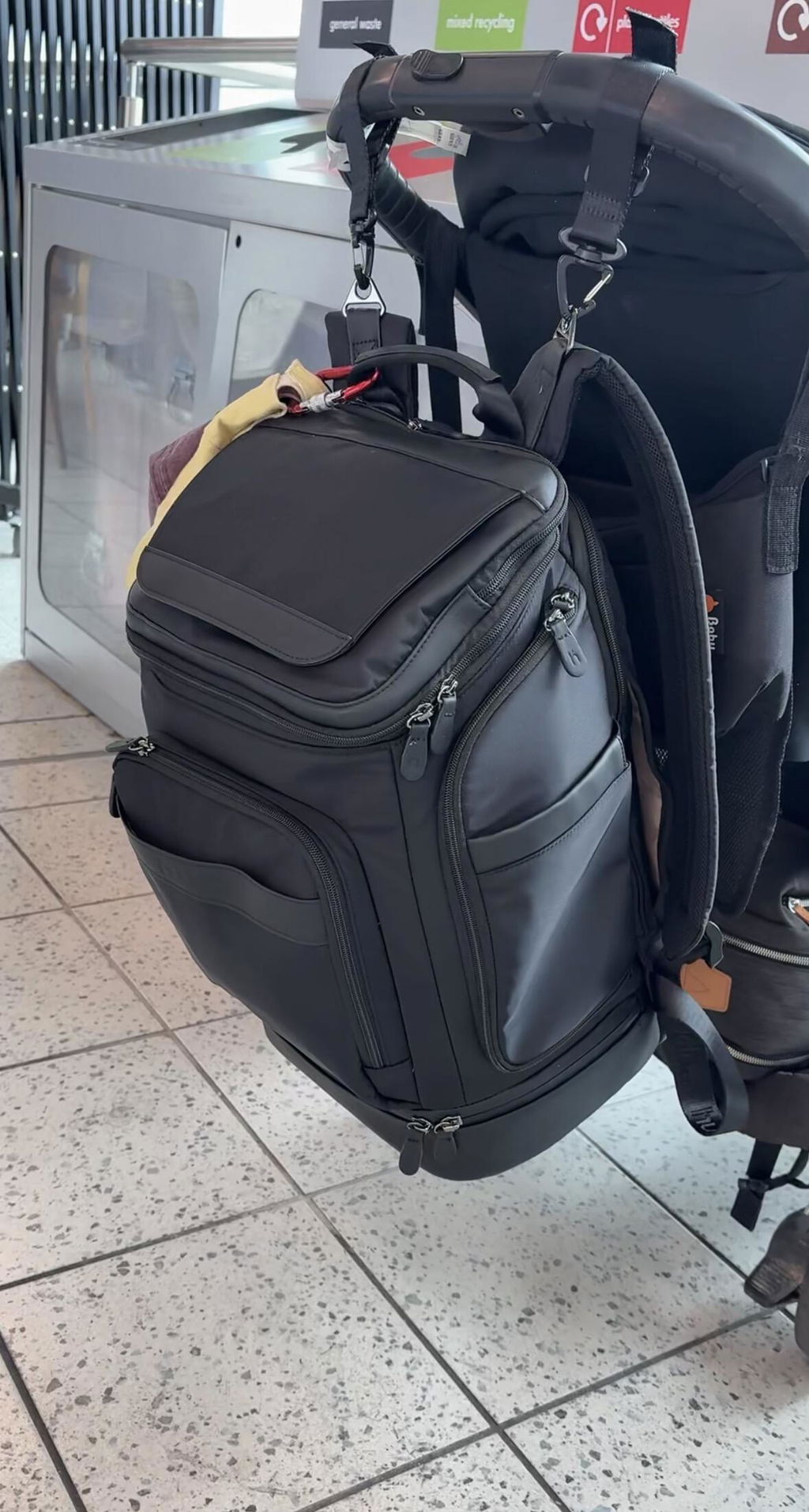
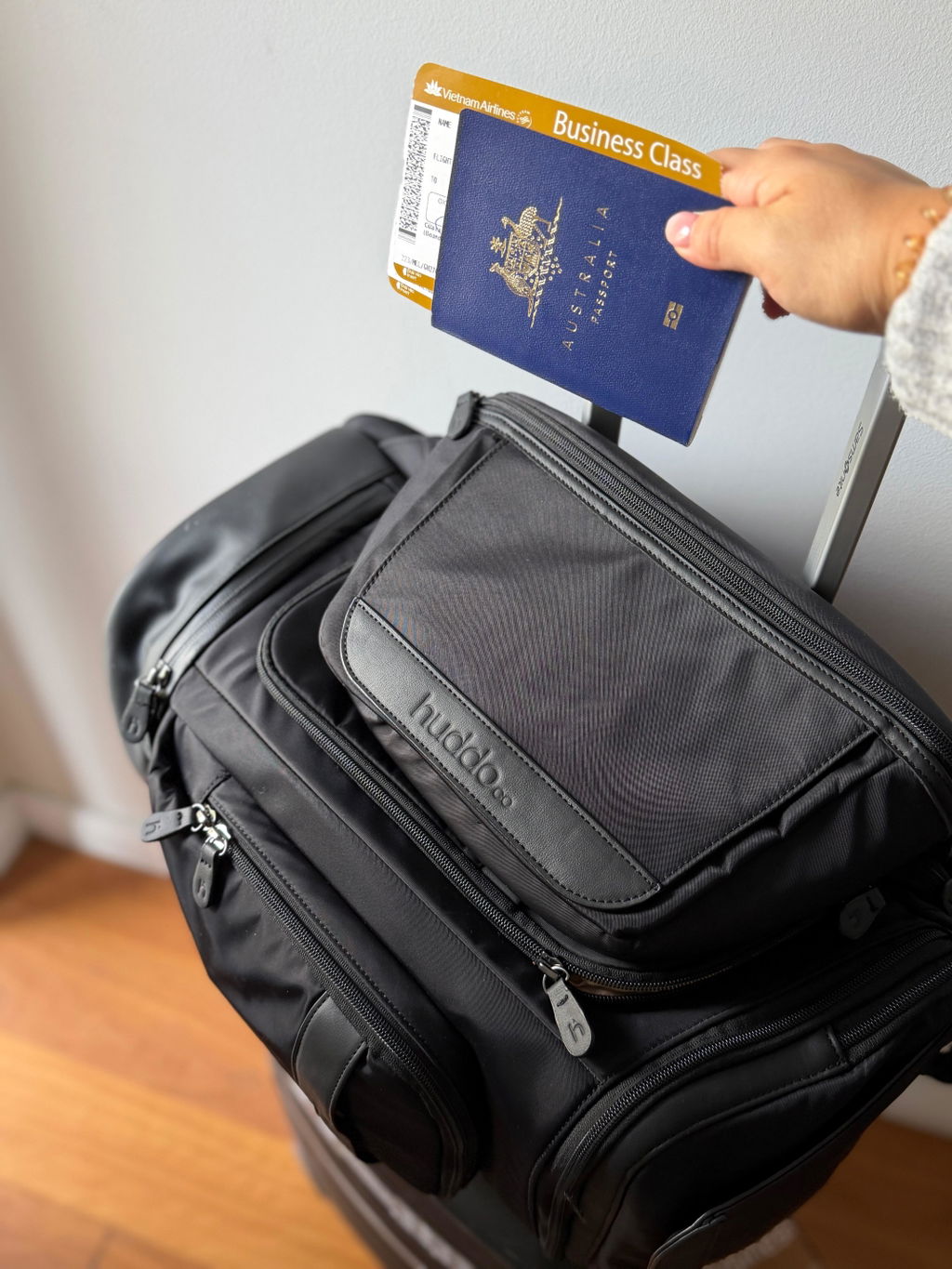
A well-designed nappy bag for travel, like the HuddoCo Anywhere Backpack, works because it separates bulk items from high-use essentials. This allows parents to grab what they need quickly without unpacking everything in busy moments like boarding flights or navigating airports.
Less digging. Less stress. More flow.
2. Hands-Free Is Non-Negotiable 🛫
Airports, public transport and busy streets require mobility.
When you travel with a toddler or baby, you will often be wrangling at least one child in your arms 👶🏼 while managing luggage, boarding passes and snacks.
If your bag constantly slips off your shoulder or requires adjusting, it adds unnecessary pressure.
This is why many parents choose a backpack-style nappy bag or changing bag for travel. A backpack keeps weight balanced and leaves your hands free to manage children, strollers and passports 🤹🏻
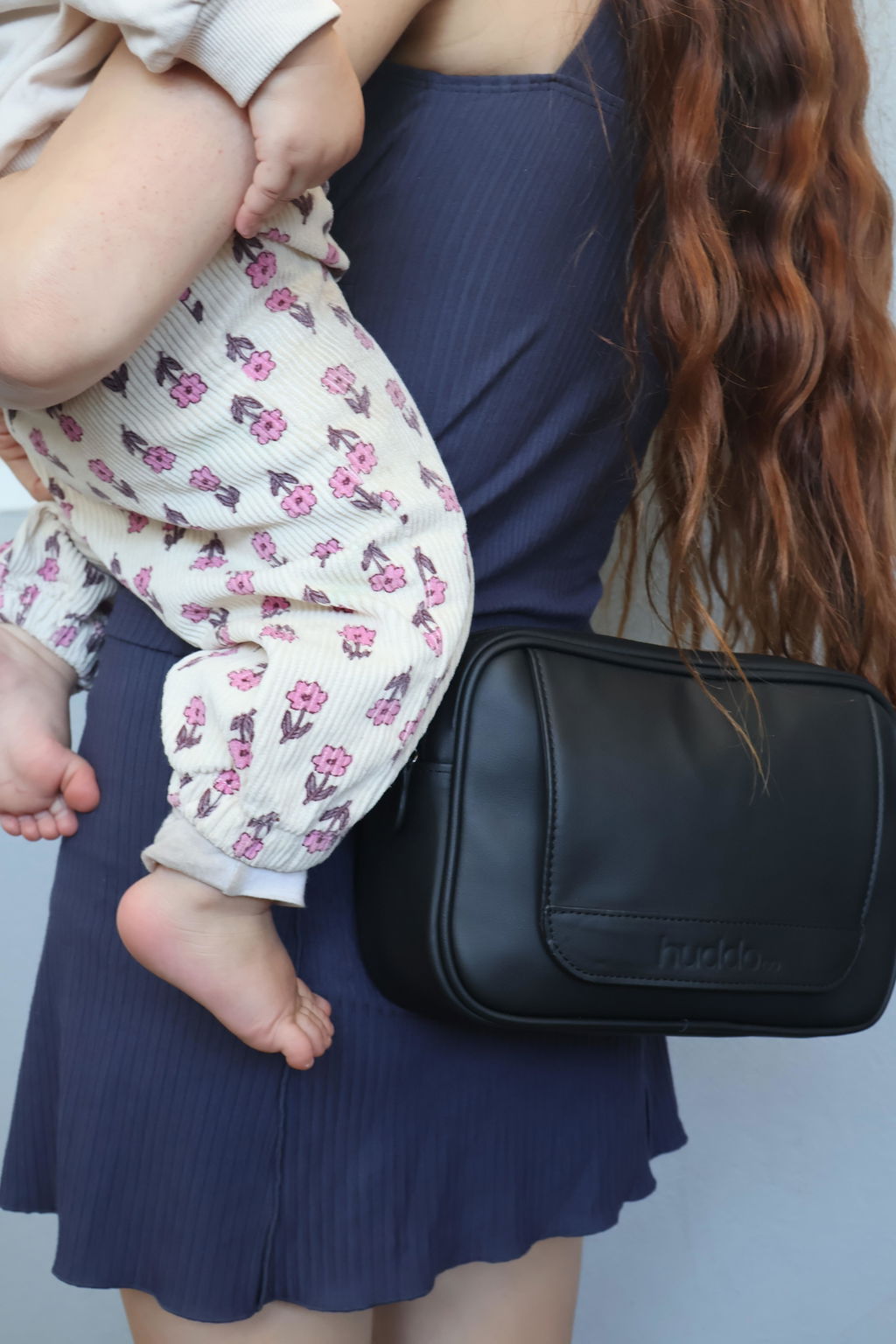
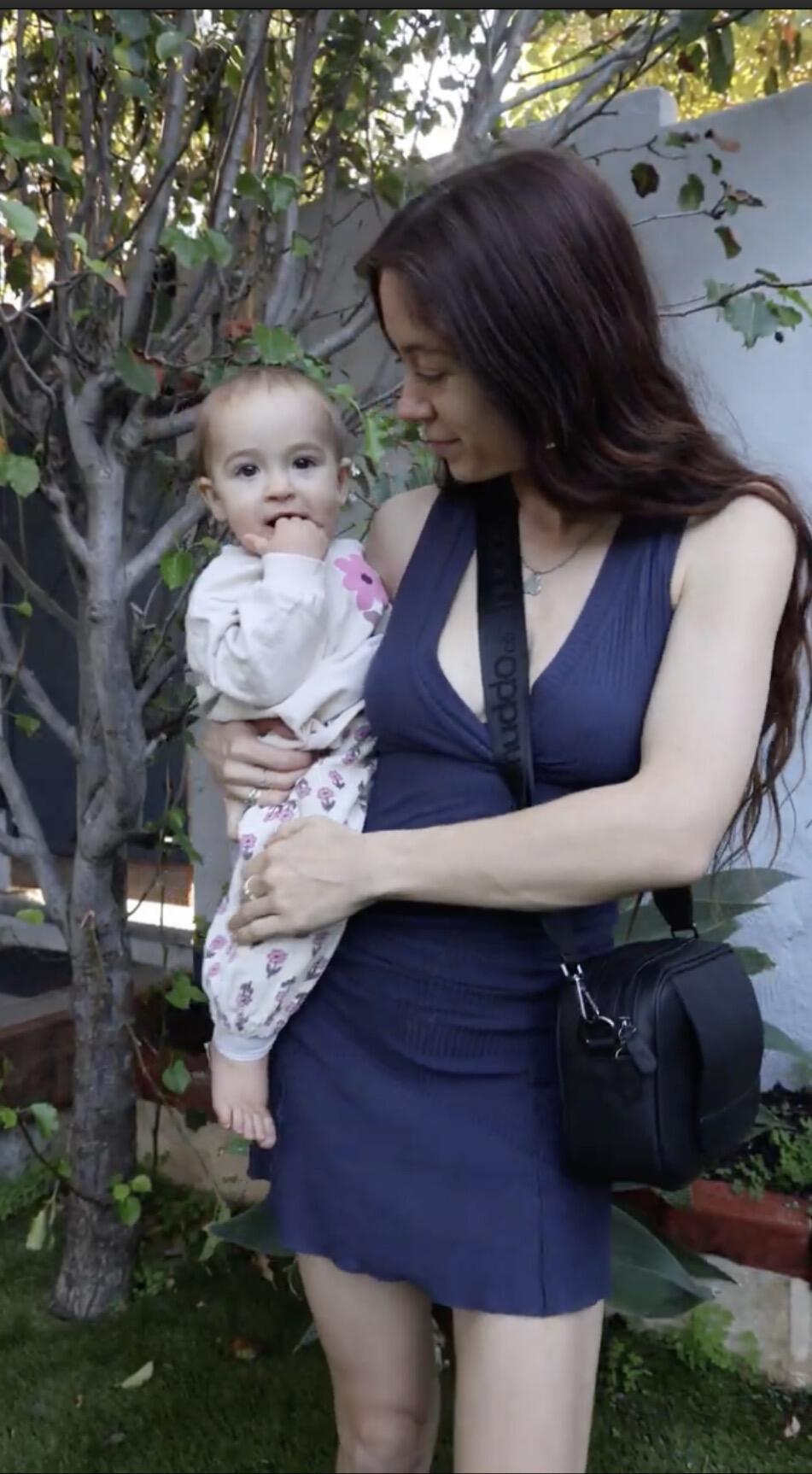
Many parents also pair their main travel nappy bag with a small crossbody bag for quick-grab essentials like:
-
Phone
-
Boarding passes
-
Snacks
-
Passport
Keeping these items in a small crossbody, like the Mum Club Crossbody, allows you to move through security and boarding without opening your entire bag.
Hands-free design is not a luxury when travelling with kids. It is practical support.
3. The Itinerary Needs Buffer Time 🌿
Family travel works best when you build breathing room into your plans.
When travelling with babies or toddlers, it helps to:
-
Allow extra transition time between activities
-
Plan around sleep or quiet time where possible
-
Limit the number of major activities scheduled per day
-
Prioritise proximity between activities
Parents often find they see more when they try to do less.
A relaxed pace reduces overstimulation and helps prevent meltdowns - both for children and parents.
When travelling with a toddler, simple experiences like playground stops, beach time or wandering through a market can often become the highlights of the day.
4. Organisation Reduces Stress More Than You Expect ✨
Most travel stress with kids comes from disorganisation, not the children themselves.
Searching for wipes while boarding is called. Unpacking everything to find one item. Realising snacks are buried at the bottom of the bag.
A structured nappy bag or changing bag designed for travel removes much of that stress.
Creating a simple internal system, whether through compartments or packing cubes, changes the entire tone of the day.
When you know exactly where everything is, you respond calmly instead of reactively.
Small systems. Big difference.
5. Destination Choice Becomes More Intentional 🌍
Before kids, travel is often about discovery. After kids, it becomes more about experience design.
When planning family travel, parents often start asking different questions:
-
Is the destination easy to navigate with children?
-
How long is the airport transfer?
-
Are restaurants and cafés within walking distance?
-
Are there parks, beaches or open spaces nearby?
Parents travelling with babies or toddlers often prioritise destinations that offer simple daily logistics.
That might mean choosing:
-
Walkable towns instead of large cities
-
Resorts with family facilities
-
Accommodation close to beaches, playgrounds or parks
-
Destinations with shorter travel days and fewer connections
A beautiful destination still matters. But when travelling with children, ease often becomes the real luxury.
6. Food Planning Becomes Part of the Strategy 🍎
Food is one of the biggest differences when travelling with kids.
Before children, meals can be spontaneous. You can eat late, skip lunch or wander until you find somewhere appealing.
When travelling with babies or toddlers, food timing suddenly matters.
Parents often find themselves planning around:
-
When the next snack will be needed
-
Whether restaurants open early enough for dinner
-
If there are kid-friendly food options nearby
-
How to avoid the “hungry meltdown” window
Keeping snacks accessible inside your travel nappy bag can make a huge difference during flights, day trips or long sightseeing days.
Simple things like snack containers, fruit pouches or crackers can quickly reset a tired or hungry child.
Sometimes the best travel moments happen over a beach picnic or park snack stop, rather than a long restaurant meal.
7. Accommodation Location Matters More Than Size 🏡
Before kids, accommodation is often just a place to sleep.
After kids, it becomes a base for the entire day.
When travelling with a baby or toddler, parents often prioritise:
-
Walking distance to cafés or restaurants
-
Nearby supermarkets or convenience stores
-
Easy access to parks or beaches
-
Short travel distances between activities
Being able to return to your accommodation quickly for a nap, outfit change or quiet reset can dramatically improve the day.
Often, a slightly smaller room in the right location creates a smoother family travel experience than a larger property that requires constant transport.
8. Flexibility Becomes the New Luxury 🕊️
Before kids, travel itineraries can be packed.
After kids, flexibility often leads to better travel experiences.
That might mean:
-
Leaving afternoons open
-
Planning one major activity per day
-
Allowing time for playground stops or swimming breaks
-
Being comfortable adjusting plans when energy levels shift
Children naturally slow travel down.
But that slower pace often creates more meaningful moments - watching your toddler explore a new beach, sharing snacks in a park, or discovering a quiet café together.
And those are often the memories that last.
Travel After Kids: Different, But Just As Rewarding ✈️
Travel after kids is different because your priorities shift.
Efficiency matters more. Comfort matters more. Preparation matters more.
But travel can still feel freeing - and in many ways, even more rewarding.
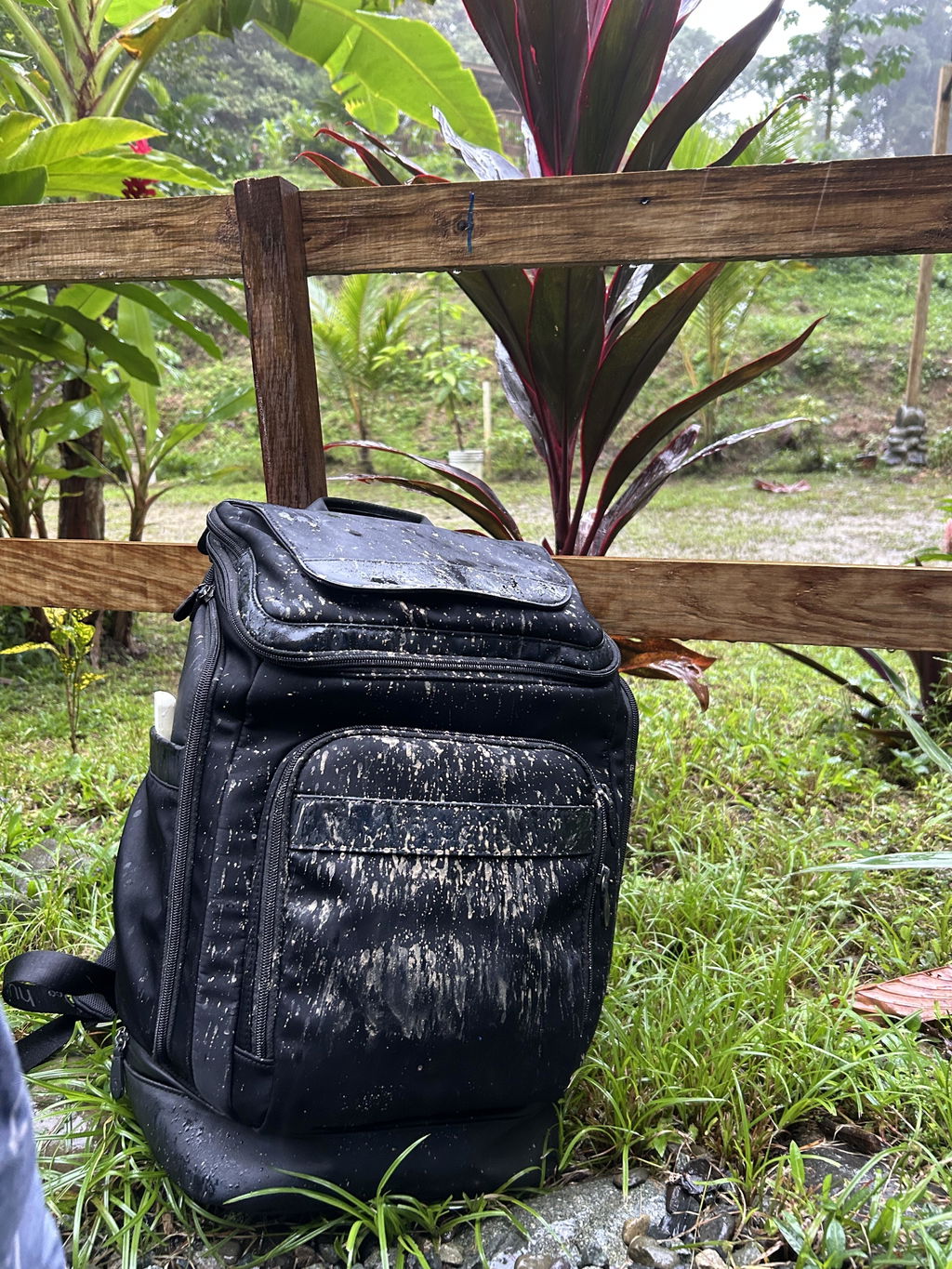
With the right systems in place and a nappy bag designed for family travel, like the HuddoCo Anywhere Backpack, the experience becomes less about managing chaos and more about enjoying the adventure.
Because the best part of travelling with children is seeing the world through their eyes 🤍
Happy travels,
HuddoCo x